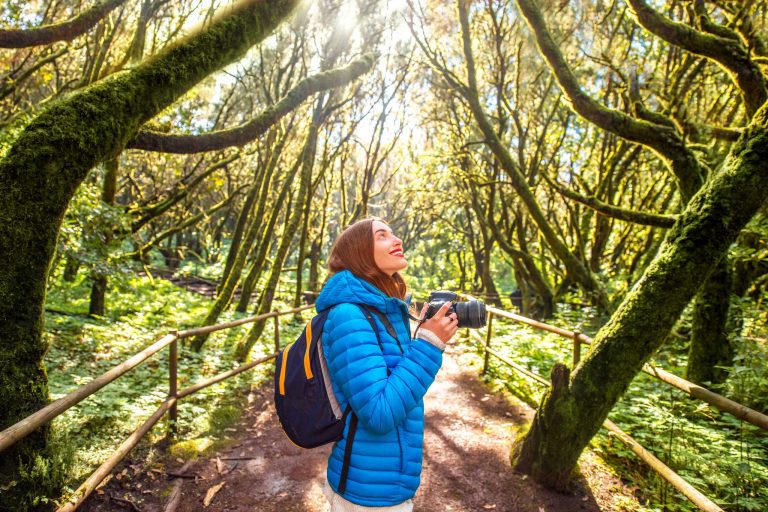
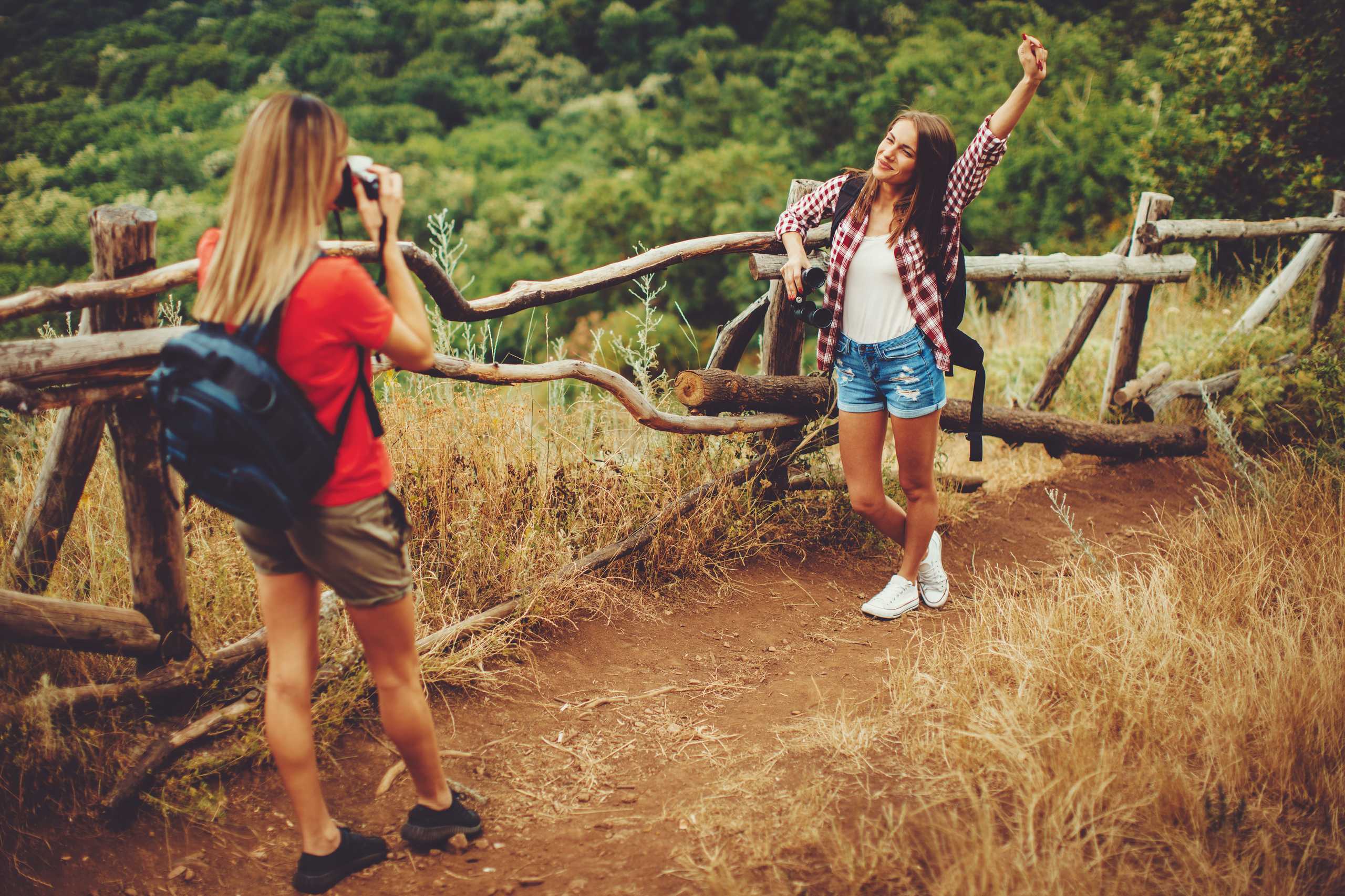
Nature photography thrives on field experience. The outdoors is unpredictable, dynamic, and full of variables that challenge technique and creativity. Mastering fieldwork ensures you adapt quickly and capture strong images regardless of conditions.
Essential Field Skills
• Reading the Environment
Observe weather patterns, light shifts, and ecological details to anticipate photographic opportunities.
• Adapting Quickly
Move smoothly between angles, lenses, and exposure settings as natural scenes change.
• Patience and Timing
Many compelling moments occur briefly. Waiting, observing, and reacting precisely are key to success.
Practical Outdoor Strategies
- Scout Locations Before Shooting
Walk the area without your camera first to evaluate compositions, safe footing, and lighting potential. - Use Natural Elements as Tools
Rocks for stability, trees for framing, water for reflections—use the environment to enhance structure. - Carry Minimal but Effective Gear
Pack lightweight equipment: a versatile lens, microfiber cloth, stable tripod, extra batteries, and weather protection.
Field Safety Considerations
• Be cautious around cliffs, water, and unstable terrain.
• Keep distance from wildlife to respect habitat and ensure safety.
• Monitor weather changes to avoid hazardous conditions.
Refining Results After Field Sessions
• Review your images the same day to assess what worked.
• Make notes on lighting, angles, and timing for future improvement.
• Revisit successful spots under different conditions to expand your portfolio.
Closing Thought
Field mastery requires a blend of awareness, preparedness, and calm decision-making. With consistent practice, outdoor environments become easier to navigate, and your ability to capture meaningful, well-structured nature photographs grows substantially.